

The back bone of your home
The Importance of a Solid Concrete Foundation: Building the Foundation for a Better Home
When it comes to constructing a home, the foundation plays a crucial role in ensuring its stability, longevity, and overall structural integrity. A solid concrete foundation serves as the backbone of any building, providing a secure base upon which the rest of the structure is built. Let’s delve into the significance of a solid concrete foundation, from the chemistry and compressive strength of cement to the benefits of new technologies like Insulated Concrete Forms (ICF) foundations.
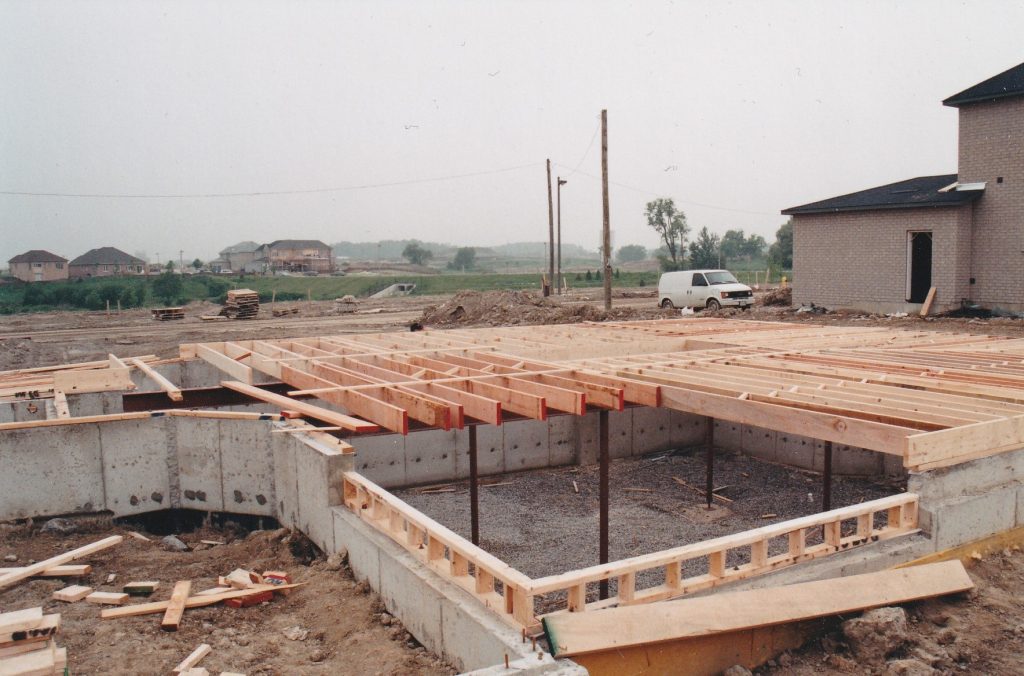
- Chemistry and Compressive Strength of Cement: At the heart of a solid concrete foundation lies the chemical properties of cement, the primary binding agent. Cement, when mixed with water, undergoes a process called hydration, forming a strong and durable material known as concrete. The compressive strength of concrete, which measures its ability to withstand compression or pressure, is a critical factor in ensuring a solid foundation. High-quality cement and proper curing techniques contribute to achieving optimal compressive strength, providing a strong and stable base for the entire structure.
- Design and Trueness of Footings: The design and trueness of the footings, which are the base upon which the foundation rests, are essential for ensuring load distribution and stability. Properly designed footings distribute the weight of the structure evenly, preventing uneven settling or shifting. Precise measurements, accurate placement, and appropriate reinforcement within the footings are crucial to maintaining the integrity of the foundation.
- Plumb and Level Walls: Straight, plumb, and level walls are vital for a solid concrete foundation. Precise alignment ensures that the load-bearing walls above the foundation are properly supported. Level walls help prevent uneven settling, which can lead to structural issues and compromised stability. Plumb walls, perpendicular to the ground, maintain the vertical integrity of the foundation, preventing tilting or leaning.
- Benefits of Insulated Concrete Forms (ICF) Foundations: The advent of new technologies, such as Insulated Concrete Forms (ICF), has revolutionized foundation construction. ICF foundations offer numerous benefits, contributing to a better-built home. These forms consist of interlocking panels made of expanded polystyrene (EPS) or other insulating materials. The benefits of ICF foundations include:
- Enhanced energy efficiency: The insulation properties of ICF help reduce heat loss, resulting in lower energy consumption and increased comfort.
- Sound insulation: ICF foundations dampen noise transmission, providing a quieter living environment.
- Increased durability: ICF walls are resistant to moisture, mold, and pests, ensuring long-term durability and reducing the risk of damage.
- Improved construction speed: ICF systems allow for faster construction due to the ease of installation and reduced need for additional insulation and finishing materials.

Conclusion: A solid concrete foundation is the cornerstone of a well-built home. From the chemistry and compressive strength of cement to the design and trueness of footings, every aspect contributes to the foundation’s stability and longevity. Embracing new technologies like Insulated Concrete Forms (ICF) further enhances the benefits of a solid foundation, providing improved energy efficiency, durability, and construction speed. By prioritizing a solid concrete foundation, homeowners can ensure a structurally sound and stable home that stands the test of time.