
Understanding Septic Systems: Types, Sizing, and Soil Preparation
Introduction: Septic systems play a crucial role in waste management for homes and properties not connected to municipal sewer systems. They consist of septic tanks, septic fields (also known as leaching fields or drain fields), and related components. In this essay, we will explore the different types of septic tanks and fields, their optimal location on lots, how to calculate the appropriate tank size based on home size, the details of soil preparation for leaching fields, and the differences of a holding tank system for waterfront lots.
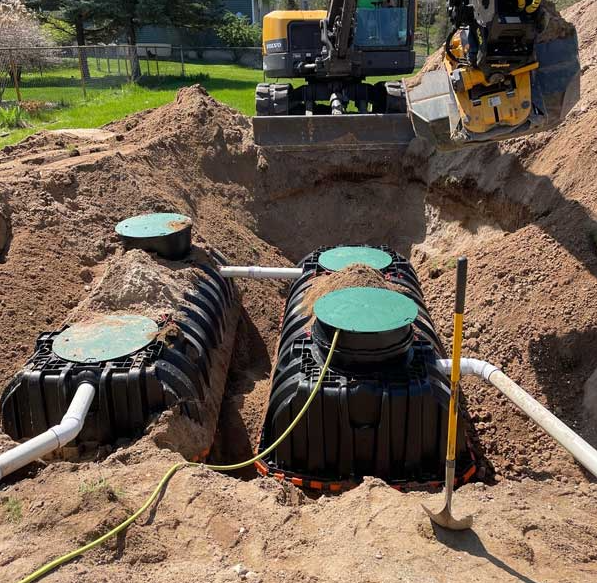
Types of Septic Tanks: Septic tanks are typically made of concrete, fiberglass, or plastic, and they serve as the primary treatment and sedimentation chambers for wastewater. The three main types of septic tanks are:

- Conventional Septic Tanks: These tanks have two compartments to separate solid waste from liquids and allow for natural decomposition of solids. Effluent from the septic tank flows into the drain field for further treatment.
- Aerobic Treatment Units (ATUs): ATUs introduce air into the tank to promote the growth of aerobic bacteria, resulting in enhanced wastewater treatment. These tanks are ideal for properties with poor soil conditions or higher effluent demands.
- Advanced Treatment Systems: These systems utilize additional technologies such as sand filters, activated sludge, or recirculating media filters to achieve higher levels of wastewater treatment. They are commonly used in areas with strict environmental regulations or specific requirements.
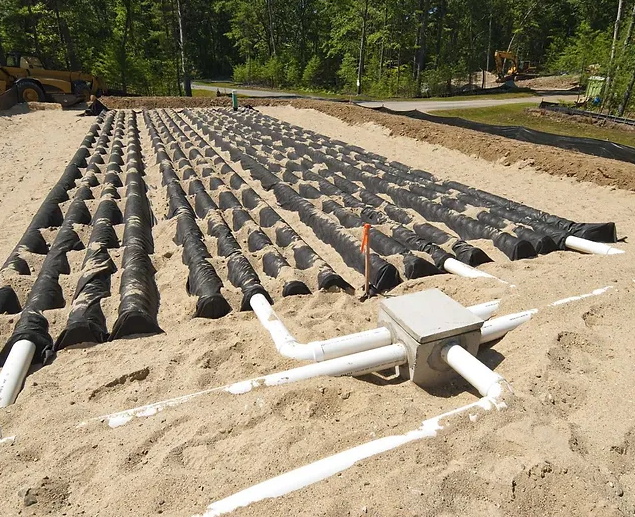
Septic Fields and Location on Lots: Septic fields, also known as leaching fields or drain fields, receive the treated effluent from the septic tank and facilitate its safe dispersal into the soil. Proper location and sizing are essential for their optimal functioning. Septic fields should be situated downhill or away from wells, water bodies, and property boundaries to prevent contamination. It’s important to know that the minimum distance between your well and septic tank and field is 15 meters (50′). This is why in many municipalities your lot must be a minimum of .5 acres.
Calculating Tank Size Based on Home Size: Determining the appropriate septic tank size is crucial to ensure efficient waste management. The size of the tank is primarily determined by the number of bedrooms or the water usage of the home. Local regulations often provide guidelines and formulas to calculate the required tank capacity. For example, a common rule of thumb is that a three-bedroom house typically requires a 1,000-gallon (3785L) tank. Consulting with a local septic system professional is recommended to ensure compliance with regulations and accurate sizing.

Soil Preparation and Function of Leaching Fields: The success of a septic system heavily relies on the leaching field’s soil composition and preparation. Here are the key steps involved in soil preparation:
- Percolation Test: Conduct a percolation test to assess the soil’s ability to absorb and treat wastewater. This test determines the soil’s percolation rate, which helps determine the size of the leaching field.
- Soil Evaluation: Evaluate the soil’s texture, composition, and depth. Coarse-grained soils, such as sandy soils, tend to drain better than fine-grained soils like clay.
- Excavation and Grading: Excavate the area for the leaching field, ensuring proper slope for effluent flow. Proper grading helps prevent surface water from entering the leaching field.
- Gravel Bed and Pipe Installation: Install a layer of gravel beneath the perforated distribution pipes to improve drainage and prevent clogging.
- Vegetation Control: Remove trees, shrubs, and other vegetation that may interfere with the leaching field’s function. Planting grass over the field promotes evapotranspiration and enhances treatment.
Septic Holding Tanks: Necessity for Waterfront Properties and Proximity to Bodies of Water
Introduction: Septic holding tanks are an essential component of wastewater management systems, especially in areas near bodies of water and waterfront properties. Unlike traditional septic systems that rely on soil absorption, holding tanks store wastewater until it can be properly treated and disposed of. In this essay, we will explore the reasons why holding tanks are required for properties close to bodies of water and waterfront areas, and their significance in protecting water quality and the environment.
Waterfront Properties and Environmental Concerns: Waterfront properties, by their very nature, present unique challenges in terms of wastewater management. These properties are typically located near lakes, rivers, or coastal areas, which makes the protection of water quality a paramount concern. Wastewater discharge from septic systems has the potential to contaminate nearby water bodies, leading to adverse effects on aquatic life, ecosystems, and public health.
The Importance of Septic Holding Tanks:
- Water Table and Soil Conditions: Waterfront areas often have high water tables, meaning that the distance between the ground surface and the water table is minimal. This limits the soil’s ability to effectively treat and filter wastewater before it reaches the water bodies. Holding tanks provide a safe and reliable alternative to on-site wastewater treatment in such situations.
- Flood Risk: Waterfront properties are susceptible to flooding, especially during heavy rainfalls or storms. In the event of flooding, conventional septic systems can malfunction, leading to the release of untreated wastewater into the surrounding environment. Holding tanks mitigate this risk by securely storing wastewater until floodwaters recede and treatment facilities become operational.
- Environmental Regulations: Many jurisdictions have specific regulations governing wastewater management for waterfront properties. These regulations often require the use of holding tanks to ensure the protection of water quality and prevent contamination of sensitive ecosystems. Compliance with these regulations is crucial to maintain the sustainability and ecological integrity of water bodies.
Benefits of Septic Holding Tanks:
- Enhanced Environmental Protection: Holding tanks act as an effective barrier, preventing untreated wastewater from reaching nearby water bodies. This significantly reduces the risk of contamination and helps preserve the quality of the water environment.
- Flexibility and Adaptability: Holding tanks provide property owners with flexibility in managing their wastewater. They can be emptied and serviced at regular intervals, ensuring proper treatment and disposal in accordance with environmental regulations. Holding tanks can also be combined with other treatment technologies, such as disinfection systems, to further enhance wastewater treatment before final disposal.
- Peace of Mind for Property Owners: By installing holding tanks, waterfront property owners can have peace of mind, knowing that they are contributing to the protection and conservation of water resources. Holding tanks offer a reliable and responsible solution for managing wastewater in sensitive areas, reducing potential health hazards and environmental risks.
Conclusion: Septic holding tanks play a crucial role in safeguarding water quality and protecting sensitive ecosystems in proximity to bodies of water and waterfront properties. By preventing the release of untreated wastewater, these tanks help ensure the sustainable use and enjoyment of water resources. Their implementation and adherence to environmental regulations are essential for maintaining a healthy environment and preserving the natural beauty of waterfront areas.