

The Significance of Proficient Ladder Usage in Construction Environments
Introduction: Ladders are indispensable tools in the construction industry, serving as versatile equipment for reaching elevated areas, accessing rooftops, and performing a multitude of tasks. Whether it is a step ladder, extension ladder, or scaffolding, understanding the correct installation, angles, and adherence to health and safety procedures are paramount. This essay delves into the importance of knowing how to use ladders effectively in construction environments, emphasizing the significance of proper setup and the consequences of improper ladder usage.
Ensuring Safety: The foremost reason for comprehending ladder usage lies in the realm of safety. Construction sites pose inherent risks, and accidents involving ladders can result in severe injuries or even fatalities. According to the Occupational Safety and Health Administration (OSHA), falls from ladders accounted for a significant portion of injuries in the construction industry. It is estimated that more than 20,000 occupational injuries and nearly 100 fatalities occur each year in the United States, and in Canada, it’s the second largest cause of accidental death due to ladder-related incidents.
Proper Installation and Angles: Understanding the correct installation of ladders is crucial to ensuring their stability and preventing accidents. Step ladders must be placed on a level surface, with their spreaders fully extended and locked into position. Extension ladders should be set up at a safe angle, utilizing the “4-to-1 rule,” which dictates that for every four feet of height, the base of the ladder should be one foot away from the supporting structure. This ensures stability and minimizes the risk of the ladder slipping or toppling over.
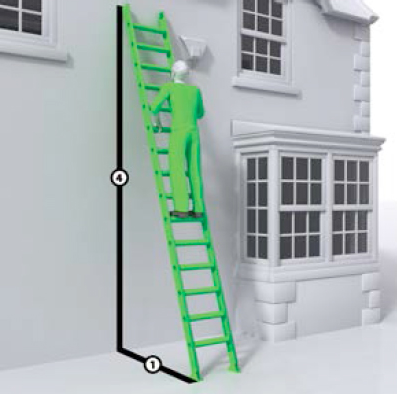
Following Health and Safety Procedures: Construction environments demand strict adherence to health and safety procedures to mitigate risks and protect workers. Knowledge of ladder usage encompasses understanding weight limits, properly securing the ladder, avoiding overreaching, and maintaining three points of contact while climbing or working on the ladder. It is imperative to follow the guidelines provided by regulatory bodies such as OSHA and receive appropriate training to ensure the safe utilization of ladders in construction settings.
Types of Ladder-Related Injuries: The consequences of improper ladder usage can be severe and range from minor injuries to debilitating accidents. Workers may suffer sprains, strains, fractures, dislocations, and head injuries from falls or ladder instability. Moreover, ladder-related incidents can lead to long-term disabilities, resulting in reduced productivity, increased healthcare costs, and potential legal consequences for employers. By prioritizing ladder safety, the construction industry can significantly reduce these statistics and create a safer working environment.
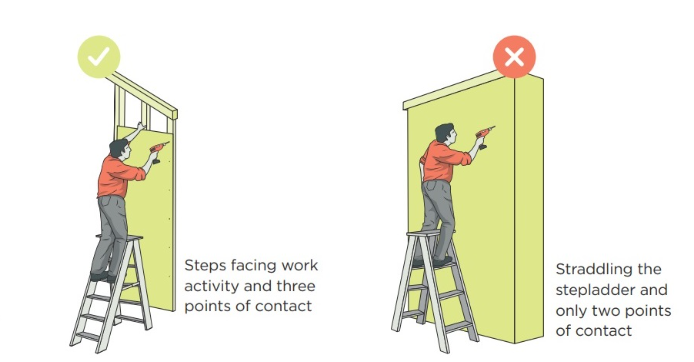
Training and Education: To mitigate ladder-related accidents, comprehensive training and education programs must be implemented within the construction industry. Employers should ensure that workers receive proper instruction on ladder usage, emphasizing the correct installation, setup, and adherence to safety protocols. Familiarity with different ladder types and their specific applications is also crucial. By investing in training and promoting a safety-conscious culture, construction companies can significantly reduce the number of ladder-related incidents and foster a more secure work environment.
The importance of knowing how to use ladders proficiently in construction environments cannot be overstated. Proper installation, angles, and adherence to health and safety procedures are paramount to preventing accidents, injuries, and fatalities. The construction industry must recognize the significance of ladder safety and prioritize comprehensive training programs for workers. By doing so, we can foster a culture of safety, reduce the alarming statistics surrounding ladder-related incidents, and ensure the well-being of construction professionals.