

Hug a tree and it will hug you back.
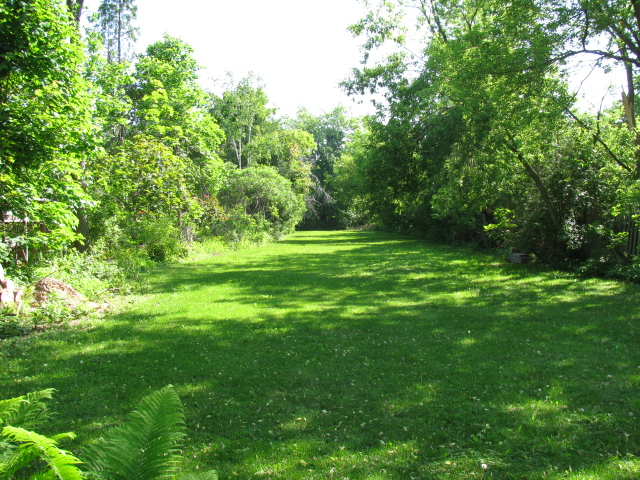
In the realm of energy conservation, embracing nature’s elements can significantly impact the energy efficiency of our homes. When it comes to tree planting, strategic placement plays a vital role in optimizing natural energy conservation, especially in northern climates. By understanding the benefits of planting the right trees in the right locations, we can harness the power of foliage to regulate temperature, block cold winds, and reduce energy consumption. Let’s delve into the importance of this practice, from the selection of deciduous and coniferous trees to the energy-saving benefits they offer in different seasons.
- Deciduous Trees on the South and West Sides: The strategic placement of deciduous trees, with their broad leaves that provide shade during summer and allow sunlight to penetrate during winter, is crucial for energy conservation. By planting these trees on the south and west sides of our homes in northern climates, we can maximize their cooling effect in summer and capitalize on solar gain in winter. In summer, the leafy canopy provides shade, reducing the need for air conditioning and preventing excessive heat gain. Conversely, in winter, when the leaves have fallen, the trees allow sunlight to penetrate, warming the home naturally and reducing the reliance on heating systems.
- Conifers on the North and East Sides: Coniferous trees, with their dense foliage that remains throughout the year, offer valuable benefits when planted on the north and east sides of our homes in northern climates. These evergreen trees act as windbreaks, shielding our homes from cold winds and reducing heat loss. By blocking the cold winter winds, conifers create a protective barrier, minimizing the need for excessive heating. Additionally, their presence helps maintain a more stable microclimate around the home, preventing temperature fluctuations and reducing energy consumption.
- Energy Saving Benefits: The energy-saving benefits of strategic tree planting are significant, as they directly impact heating and cooling demands in our homes. In winter, when cold winds can cause heat loss and discomfort, properly placed trees act as a natural barrier, reducing wind speed and creating a buffer zone. This lowers the amount of heat lost through conduction and convection, resulting in reduced heating requirements and lower energy bills. Similarly, in summer, the shade provided by deciduous trees reduces solar heat gain, alleviating the load on air conditioning systems and promoting a cooler indoor environment.
- Temperature Difference Data: Numerous studies and data support the tangible benefits of strategic tree planting for energy conservation in northern climates. For example, research conducted by the U.S. Department of Energy has shown that properly placed trees can reduce residential cooling costs by up to 30%. Furthermore, according to the Arbor Day Foundation, trees can lower heating costs by up to 15% through windbreak effects and improved insulation.
Strategic tree planting offers remarkable potential for natural energy conservation in northern climates. By selecting the right trees and placing them in optimal locations, we can maximize the benefits they provide. Deciduous trees on the south and west sides harness the power of shade and sunlight, keeping our homes cool in summer and warm in winter. Conifers on the north and east sides act as effective windbreaks, minimizing heat loss and maintaining a more stable microclimate. The energy-saving benefits of trees, cutting cold winds in winter and providing shade in summer, are supported by temperature difference data and numerous studies. By embracing the power of foliage, we can reduce our energy consumption, lower utility bills, and create more sustainable and comfortable living environments. Let us plant trees with purpose and harness nature’s gift for a greener and more energy-efficient future.