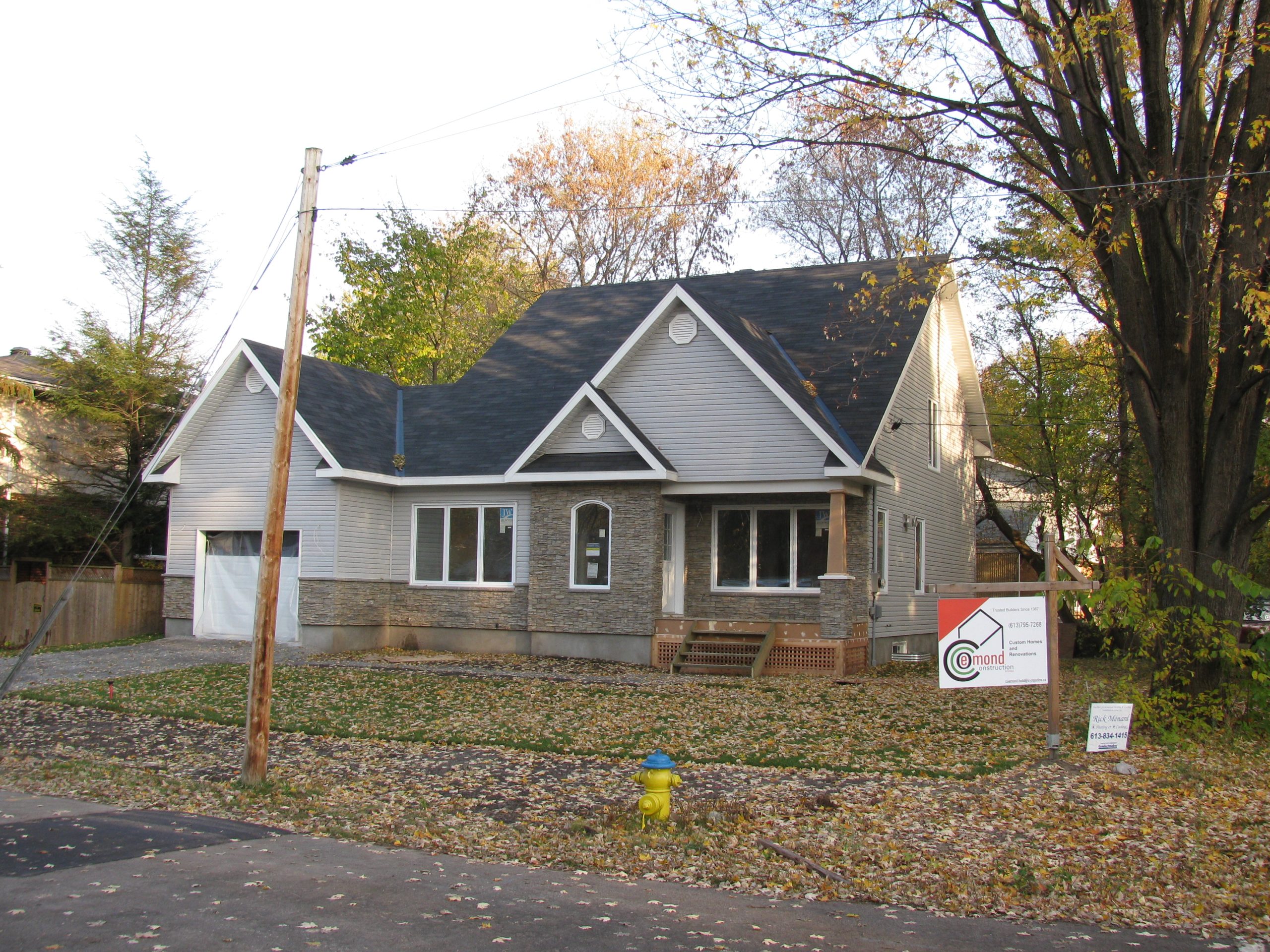
Building Your Own Custom Home: A Step-by-Step Guide
Building your own custom home can be an exciting and rewarding journey. From selecting a property to the final completion, careful planning and attention to detail are essential. Follow this step-by-step guide to help you navigate the process efficiently. Furthermore, it should be noted that building a home is very time consuming and if you are already a busy person you will be overwhelmed with the amount of attention your project will need. If you can not set aside several hours every day, I strongly recommend that you hire a general contractor. It’s really worth the investment.
- Purchase a Property: Begin by finding a suitable lot for your custom home. Consider factors such as location, size, zoning regulations, and access to utilities. Engage a real estate agent or explore listings online to identify potential properties. Once you find what you are looking for there is a very important factor to consider before you move forward. Now if you are in a municipality that has city water you may continue on your journey. But if you will be on well and septic, your first step will be to drill a well and get your water tested. You may discover that the water in the area is of poor quality or not available at all. You can avoid this situation by asking the municipality for information or simply going to the neighbours and ask about their well water.
- Research and Permits: Thoroughly research local building codes, zoning regulations, and permit requirements. Consult with the local municipality or building department to obtain the necessary permits and understand any specific guidelines for your project. Have your real estate lawyer do a search on the property for rights of way or bodies of water like creaks where a governing authority may have restrictions or conditions for that property.
- Design and Planning: Work with an architect or a qualified designer to create a detailed plan for your custom home. Collaborate closely, ensuring the design matches your needs and preferences while adhering to local regulations. The plan should encompass floor layouts, elevations, electrical and plumbing systems, and any other specific requirements. Hire a licensed surveyor to provide detailed plans of the property and the location of your home which the municipality will require.
- Utilities: Coordinate with utility providers to establish connections for water, electricity, and gas. If the property is not connected to municipal services, plan for a well for water supply and a septic system for wastewater disposal. Engage professionals for the installation and ensure compliance with local regulations.
- Financing and Budgeting: Determine your budget and secure financing for the construction of your custom home. Consult with financial institutions to explore mortgage options or consider self-financing. Set aside contingency funds to account for unforeseen expenses. Remember, you will probably not get financing for building unless you own the property straight out.
- Hiring Professionals: Select reputable contractors, builders, and subcontractors for the construction process. Obtain multiple quotes, check references, and review their past work. Create a written agreement that outlines the scope of work, payment terms, and timelines. It is important to note that building a home takes up all of your time on a daily basis. If you and your partner (if applicable) are already very busy, you will not have the time to take on such a project. The process of building is very time sensitive and mistakes and delays will become very expensive. I would always recommend to let your architect and your general contractor deal with the project. It will save you money and time in the long run.
- Construction: Break ground and commence the construction phase. Regularly communicate with your builders to stay informed about progress and address any concerns promptly. Insist on quality control and regular inspections to ensure compliance with safety standards and building codes.
- Interior Finishes: Select interior finishes such as flooring, cabinetry, paint colors, and fixtures. Consult with interior designers if desired (Strongly recommended). Plan for sufficient time to avoid rushing decisions and to ensure the desired aesthetics and functionality.
- Final Inspections and Approvals: Once construction is complete, schedule final inspections with relevant authorities to obtain certificates of occupancy or compliance. These inspections typically cover structural integrity, electrical systems, plumbing, and overall safety.
- Completion and Move-In: Upon receiving all necessary approvals and completion certificates, it’s time to move into your custom home. Celebrate this milestone and begin enjoying the fruits of your labour.
Remember, building a custom home requires time, patience, and attention to detail. Be proactive, communicate effectively with professionals involved, and be prepared for unexpected challenges. By following this guide, you can navigate the process smoothly and create the custom home of your dreams.
If you have any specific questions for you current or future project, don’t hesitate and ask me at: info@themaplecarpenter.com
Here is a list of professionals you may need to hire and collaborate with, as well as entities you may need to deal with:
- Architects and Designers:
- Architect: Responsible for designing the overall structure and layout of your home.
- Interior Designer: Assists with interior space planning, material selection, and aesthetic choices.
- Engineers:
- Structural Engineer: Ensures the structural integrity of your home.
- Geotechnical Engineer: Analyses the compaction strength of your excavated hole.
- Civil Engineer: Deals with site grading, drainage, and utility connections.
- Mechanical Engineer: Designs heating, ventilation, and air conditioning (HVAC) systems.
- Contractors (Various Trades):
- General Contractor: Oversees the entire construction process and manages subcontractors.
- Excavation Contractor: Performs site excavation and prepares the foundation.
- Foundation Contractor: Constructs the foundation of your home.
- Framing Contractor: Builds the structural framework and installs the roof.
- Plumbing Contractor: Handles all plumbing installations and connections.
- Electrical Contractor: Installs electrical wiring, outlets, and fixtures.
- HVAC Contractor: Installs heating, ventilation, and air conditioning systems.
- Drywall Contractor: Installs drywall and finishes interior walls.
- Flooring Contractor: Lays flooring materials, such as tiles, hardwood, or carpet.
- Painting Contractor: Applies paint or finishes to interior and exterior surfaces.
- Roofing Contractor: Installs the roof and handles any necessary repairs.
- Landscape Contractor: Designs and creates the outdoor landscaping.
- Suppliers:
- Lumber Supplier: Provides various types of wood for construction. Lumber suppliers can offer you a whole home package which will include a Roof trusses, floor package, and wall package. They will also deliver the lumber in sequence as you build.
- Building Material Supplier: Offers a range of construction materials, such as cement, bricks, insulation, etc.
- Plumbing Supplier: Provides pipes, fittings, fixtures, and plumbing equipment.
- Electrical Supplier: Supplies electrical wiring, switches, outlets, and fixtures.
- HVAC Supplier: Offers heating, cooling, and ventilation systems and equipment.
- Flooring Supplier: Provides a variety of flooring materials, such as tiles, hardwood, vinyl, etc.
- Paint Supplier: Offers a selection of paints, primers, and other finishing products.
- Roofing Supplier: Supplies roofing materials, including shingles, tiles, or metal sheets.
- Landscaping Supplier: Provides plants, trees, flowers, mulch, and other landscaping materials.
- Salesmen and Representatives:
- Sales Representatives from various suppliers and manufacturers who assist with product selection, pricing, and ordering.
- City Officials and Regulatory Bodies:
- Building Inspectors: Review construction plans and inspect the building at various stages for compliance with building codes and regulations.
- Planning Department: Provides guidance on zoning regulations, building permits, and land use.
- Utility Companies: Coordinate with utility providers for connections to water, electricity, gas, and telecommunications.
Note: The specific professionals and suppliers you’ll need can vary depending on the complexity of your project, local regulations, and personal preferences. Consulting with a local expert or builder can provide you with more accurate and tailored information for your specific location and requirements.

