The Maple Carpenter
Body and Mind: A Fitness Path to Safety

Title: The Significance of Physical Fitness in the Construction Industry

Introduction: The construction industry is a physically demanding field that requires individuals to possess strength, agility, and endurance. Whether you are a do-it-yourselfer tackling home improvement projects or a seasoned professional working on large-scale construction sites, being physically fit is of utmost importance. This essay explores the significance of physical fitness in the construction industry, emphasizing the benefits of stretching, calisthenics, aerobic exercises, and weight lifting in reducing the risk of injuries and enhancing overall performance.

Body:

  1. Flexibility: Flexibility plays a crucial role in the construction industry as it allows workers to perform tasks that involve bending, reaching, and maneuvering in tight spaces. Regular stretching exercises, such as dynamic stretches and yoga, can improve flexibility and increase the range of motion. Flexible muscles and joints reduce the strain on the body during physically demanding activities, thereby reducing the likelihood of sprains, strains, or other related injuries.
  2. Strength: Construction work often involves lifting heavy objects, carrying materials, and operating machinery. Maintaining a strong physique through exercises like weight lifting is essential. Strength training exercises target specific muscle groups, enhancing their capacity to bear heavy loads and reducing the risk of muscle strains and back injuries. A strong body also improves overall stability and balance, enabling workers to navigate challenging construction environments safely.
  3. Endurance: Construction projects can be physically demanding and require sustained effort over extended periods. Building aerobic fitness through activities like jogging, cycling, or swimming improves cardiovascular health and stamina. Increased endurance enables workers to work for longer durations without fatigue, enhancing productivity and reducing the likelihood of accidents caused by physical exhaustion.
  4. Injury Prevention: Physical fitness is directly linked to injury prevention in the construction industry. Fit individuals are less prone to accidents, as their bodies are better equipped to handle the physical demands and stresses associated with construction work. Proper warm-up routines, including stretching and calisthenics, before commencing work, help prepare the body for physical exertion and decrease the risk of muscle pulls, tears, or strains. Additionally, a fit body is more resilient, enabling it to withstand unexpected situations and minimize the impact of falls or other accidents.
  5. Mental Well-being: Physical fitness not only benefits the body but also positively impacts mental well-being. Engaging in regular exercise releases endorphins, which promote feelings of happiness and reduce stress and anxiety levels. The construction industry can be mentally taxing due to its demanding nature and high-pressure deadlines. Being physically fit can alleviate stress, improve focus, and enhance overall mental resilience, ensuring workers can maintain a high level of concentration and make sound decisions on the job site.

Conclusion:

In conclusion, physical fitness is of paramount importance in the construction industry, regardless of whether one is a DIY enthusiast or a professional worker. By incorporating stretching, calisthenics, aerobic exercises, and weight lifting into one’s routine, individuals can enhance their flexibility, strength, endurance, and overall well-being. Physical fitness significantly reduces the likelihood of injuries, improves performance, and promotes a safe working environment. The construction industry thrives when its workers are physically fit, capable of withstanding the physical demands of the job, and equipped with the mental fortitude to excel in challenging conditions. Therefore, investing in one’s physical fitness should be a priority for anyone involved in construction-related endeavors.

Safety
Body and Mind: A Fitness Path to Safety

Title: The Significance of Physical Fitness in the Construction Industry

Introduction: The construction industry is a physically demanding field that requires individuals to possess strength, agility, and endurance. Whether you are a do-it-yourselfer tackling home improvement projects or a seasoned professional working on large-scale construction sites, being physically fit is of utmost importance. This essay explores the significance of physical fitness in the construction industry, emphasizing the benefits of stretching, calisthenics, aerobic exercises, and weight lifting in reducing the risk of injuries and enhancing overall performance.

Body:

  1. Flexibility: Flexibility plays a crucial role in the construction industry as it allows workers to perform tasks that involve bending, reaching, and maneuvering in tight spaces. Regular stretching exercises, such as dynamic stretches and yoga, can improve flexibility and increase the range of motion. Flexible muscles and joints reduce the strain on the body during physically demanding activities, thereby reducing the likelihood of sprains, strains, or other related injuries.
  2. Strength: Construction work often involves lifting heavy objects, carrying materials, and operating machinery. Maintaining a strong physique through exercises like weight lifting is essential. Strength training exercises target specific muscle groups, enhancing their capacity to bear heavy loads and reducing the risk of muscle strains and back injuries. A strong body also improves overall stability and balance, enabling workers to navigate challenging construction environments safely.
  3. Endurance: Construction projects can be physically demanding and require sustained effort over extended periods. Building aerobic fitness through activities like jogging, cycling, or swimming improves cardiovascular health and stamina. Increased endurance enables workers to work for longer durations without fatigue, enhancing productivity and reducing the likelihood of accidents caused by physical exhaustion.
  4. Injury Prevention: Physical fitness is directly linked to injury prevention in the construction industry. Fit individuals are less prone to accidents, as their bodies are better equipped to handle the physical demands and stresses associated with construction work. Proper warm-up routines, including stretching and calisthenics, before commencing work, help prepare the body for physical exertion and decrease the risk of muscle pulls, tears, or strains. Additionally, a fit body is more resilient, enabling it to withstand unexpected situations and minimize the impact of falls or other accidents.
  5. Mental Well-being: Physical fitness not only benefits the body but also positively impacts mental well-being. Engaging in regular exercise releases endorphins, which promote feelings of happiness and reduce stress and anxiety levels. The construction industry can be mentally taxing due to its demanding nature and high-pressure deadlines. Being physically fit can alleviate stress, improve focus, and enhance overall mental resilience, ensuring workers can maintain a high level of concentration and make sound decisions on the job site.

Conclusion:

In conclusion, physical fitness is of paramount importance in the construction industry, regardless of whether one is a DIY enthusiast or a professional worker. By incorporating stretching, calisthenics, aerobic exercises, and weight lifting into one’s routine, individuals can enhance their flexibility, strength, endurance, and overall well-being. Physical fitness significantly reduces the likelihood of injuries, improves performance, and promotes a safe working environment. The construction industry thrives when its workers are physically fit, capable of withstanding the physical demands of the job, and equipped with the mental fortitude to excel in challenging conditions. Therefore, investing in one’s physical fitness should be a priority for anyone involved in construction-related endeavors.
Climbing the Ladder: To Safety


The Significance of Proficient Ladder Usage in Construction Environments

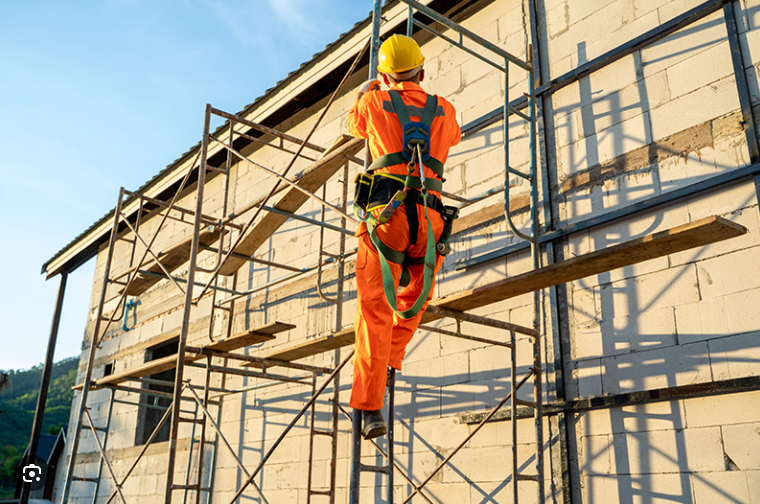
Introduction: Ladders are indispensable tools in the construction industry, serving as versatile equipment for reaching elevated areas, accessing rooftops, and performing a multitude of tasks. Whether it is a step ladder, extension ladder, or scaffolding, understanding the correct installation, angles, and adherence to health and safety procedures are paramount. This essay delves into the importance of knowing how to use ladders effectively in construction environments, emphasizing the significance of proper setup and the consequences of improper ladder usage.

Ensuring Safety: The foremost reason for comprehending ladder usage lies in the realm of safety. Construction sites pose inherent risks, and accidents involving ladders can result in severe injuries or even fatalities. According to the Occupational Safety and Health Administration (OSHA), falls from ladders accounted for a significant portion of injuries in the construction industry. It is estimated that more than 20,000 occupational injuries and nearly 100 fatalities occur each year in the United States, and in Canada, it’s the second largest cause of accidental death due to ladder-related incidents.

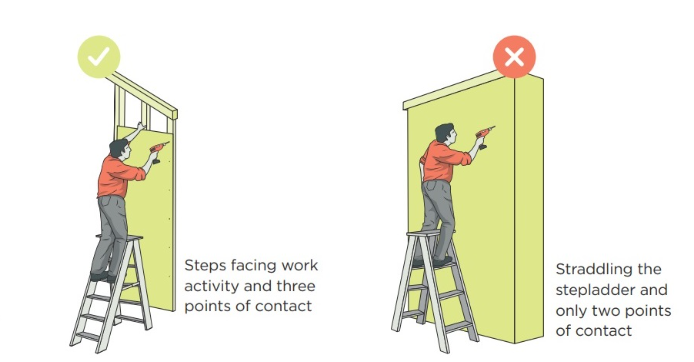
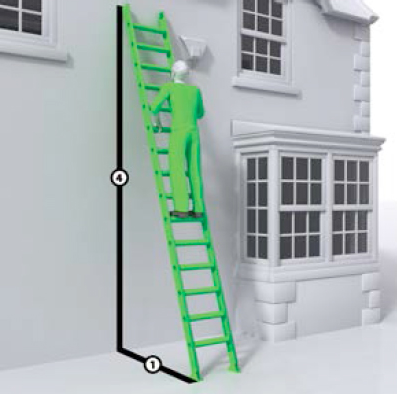
Proper Installation and Angles: Understanding the correct installation of ladders is crucial to ensuring their stability and preventing accidents. Step ladders must be placed on a level surface, with their spreaders fully extended and locked into position. Extension ladders should be set up at a safe angle, utilizing the “4-to-1 rule,” which dictates that for every four feet of height, the base of the ladder should be one foot away from the supporting structure. This ensures stability and minimizes the risk of the ladder slipping or toppling over.

Following Health and Safety Procedures: Construction environments demand strict adherence to health and safety procedures to mitigate risks and protect workers. Knowledge of ladder usage encompasses understanding weight limits, properly securing the ladder, avoiding overreaching, and maintaining three points of contact while climbing or working on the ladder. It is imperative to follow the guidelines provided by regulatory bodies such as OSHA and receive appropriate training to ensure the safe utilization of ladders in construction settings.

Types of Ladder-Related Injuries: The consequences of improper ladder usage can be severe and range from minor injuries to debilitating accidents. Workers may suffer sprains, strains, fractures, dislocations, and head injuries from falls or ladder instability. Moreover, ladder-related incidents can lead to long-term disabilities, resulting in reduced productivity, increased healthcare costs, and potential legal consequences for employers. By prioritizing ladder safety, the construction industry can significantly reduce these statistics and create a safer working environment.

Training and Education: To mitigate ladder-related accidents, comprehensive training and education programs must be implemented within the construction industry. Employers should ensure that workers receive proper instruction on ladder usage, emphasizing the correct installation, setup, and adherence to safety protocols. Familiarity with different ladder types and their specific applications is also crucial. By investing in training and promoting a safety-conscious culture, construction companies can significantly reduce the number of ladder-related incidents and foster a more secure work environment.

The importance of knowing how to use ladders proficiently in construction environments cannot be overstated. Proper installation, angles, and adherence to health and safety procedures are paramount to preventing accidents, injuries, and fatalities. The construction industry must recognize the significance of ladder safety and prioritize comprehensive training programs for workers. By doing so, we can foster a culture of safety, reduce the alarming statistics surrounding ladder-related incidents, and ensure the well-being of construction professionals.

Safety
Climbing the Ladder: To Safety


The Significance of Proficient Ladder Usage in Construction Environments

Introduction: Ladders are indispensable tools in the construction industry, serving as versatile equipment for reaching elevated areas, accessing rooftops, and performing a multitude of tasks. Whether it is a step ladder, extension ladder, or scaffolding, understanding the correct installation, angles, and adherence to health and safety procedures are paramount. This essay delves into the importance of knowing how to use ladders effectively in construction environments, emphasizing the significance of proper setup and the consequences of improper ladder usage.

Ensuring Safety: The foremost reason for comprehending ladder usage lies in the realm of safety. Construction sites pose inherent risks, and accidents involving ladders can result in severe injuries or even fatalities. According to the Occupational Safety and Health Administration (OSHA), falls from ladders accounted for a significant portion of injuries in the construction industry. It is estimated that more than 20,000 occupational injuries and nearly 100 fatalities occur each year in the United States, and in Canada, it’s the second largest cause of accidental death due to ladder-related incidents.

Proper Installation and Angles: Understanding the correct installation of ladders is crucial to ensuring their stability and preventing accidents. Step ladders must be placed on a level surface, with their spreaders fully extended and locked into position. Extension ladders should be set up at a safe angle, utilizing the “4-to-1 rule,” which dictates that for every four feet of height, the base of the ladder should be one foot away from the supporting structure. This ensures stability and minimizes the risk of the ladder slipping or toppling over.

Following Health and Safety Procedures: Construction environments demand strict adherence to health and safety procedures to mitigate risks and protect workers. Knowledge of ladder usage encompasses understanding weight limits, properly securing the ladder, avoiding overreaching, and maintaining three points of contact while climbing or working on the ladder. It is imperative to follow the guidelines provided by regulatory bodies such as OSHA and receive appropriate training to ensure the safe utilization of ladders in construction settings.

Types of Ladder-Related Injuries: The consequences of improper ladder usage can be severe and range from minor injuries to debilitating accidents. Workers may suffer sprains, strains, fractures, dislocations, and head injuries from falls or ladder instability. Moreover, ladder-related incidents can lead to long-term disabilities, resulting in reduced productivity, increased healthcare costs, and potential legal consequences for employers. By prioritizing ladder safety, the construction industry can significantly reduce these statistics and create a safer working environment.

Training and Education: To mitigate ladder-related accidents, comprehensive training and education programs must be implemented within the construction industry. Employers should ensure that workers receive proper instruction on ladder usage, emphasizing the correct installation, setup, and adherence to safety protocols. Familiarity with different ladder types and their specific applications is also crucial. By investing in training and promoting a safety-conscious culture, construction companies can significantly reduce the number of ladder-related incidents and foster a more secure work environment.

The importance of knowing how to use ladders proficiently in construction environments cannot be overstated. Proper installation, angles, and adherence to health and safety procedures are paramount to preventing accidents, injuries, and fatalities. The construction industry must recognize the significance of ladder safety and prioritize comprehensive training programs for workers. By doing so, we can foster a culture of safety, reduce the alarming statistics surrounding ladder-related incidents, and ensure the well-being of construction professionals.

Safety on the Site

Whether you are a DIY or a professional, safety is paramount

The construction industry involves a wide range of hazards, including falls from heights, electrical hazards, flying debris, and exposure to harmful substances. As a result, workers in this industry require a variety of safety gear to protect themselves from these hazards. Some important safety gear for the construction industry include:

  1. Hard hats: These protect the head from falling objects, bumps, and electrical hazards.
  2. Safety glasses and goggles: These protect the eyes from flying debris, dust, and other hazards.
  3. Respirators: These protect the lungs from harmful dust, fumes, and other airborne particles.
  4. Hearing protection: This includes earplugs or earmuffs, which protect the ears from loud noises.
  5. Safety shoes or boots: These protect the feet from falling objects, punctures, and other hazards.
  6. High visibility clothing: This makes workers more visible to others on the job site, reducing the risk of accidents.
  7. Gloves: These protect the hands from cuts, abrasions, and exposure to harmful substances.
  8. Fall protection equipment: This includes harnesses, lanyards, and anchors, which protect workers from falls from heights.
  9. Fire-resistant clothing: This protects workers from flames, heat, and other fire hazards.
  10. Protective clothing: This includes clothing made of materials that resist chemicals, heat, and other hazards.

It is important for workers to wear the appropriate safety gear for their job tasks and to ensure that the gear is in good condition before using it. Proper training and supervision can also help prevent accidents and ensure that workers use safety gear correctly.

There is no specific law or regulation in Ontario, Canada that prohibits wearing shorts on a construction site. However, the Occupational Health and Safety Act (OHSA) requires that employers take every reasonable precaution to protect the health and safety of workers on construction sites.

Employers are responsible for assessing the hazards associated with each job task and ensuring that workers are provided with appropriate personal protective equipment (PPE) to protect them from those hazards. Depending on the type of construction work being performed, wearing shorts may not be appropriate or safe. For example, workers performing tasks that involve hot surfaces, welding, or handling chemicals may need to wear pants made of fire-resistant or chemical-resistant material to protect their skin.

In general, employers are encouraged to develop and enforce a dress code policy that takes into consideration the hazards present in their particular workplace. This policy should clearly communicate the PPE requirements for each job task and ensure that workers are provided with appropriate PPE, including clothing that is comfortable, durable, and appropriate for the job. Ultimately, the goal should be to ensure that workers are protected from hazards and able to perform their job tasks safely.

Importance of Fire Safety in Construction and DIY Renovation

Fire safety is of utmost importance in any construction environment or DIY renovation scenario. Fires can cause significant damage to property, pose serious risks to human life, and result in financial loss. By prioritizing fire safety measures, individuals can protect themselves, their property, and others from the devastating consequences of a fire. Here are several key reasons why fire safety is crucial in construction and DIY renovation:

  1. Protecting Lives: The safety and well-being of individuals involved in construction or DIY projects should always be the top priority. Fires can spread rapidly and create life-threatening situations. Implementing fire safety measures such as installing smoke detectors, fire extinguishers, and emergency evacuation plans can help ensure that everyone in the construction area or renovation site is alerted promptly and can safely exit the premises.
  2. Preventing Property Damage: Fires can cause extensive damage to structures, materials, and valuable possessions. Construction sites often have numerous flammable materials and tools that can fuel a fire. Adhering to fire safety practices, such as properly storing and handling flammable substances, using fire-resistant materials where appropriate, and implementing fire barriers and suppression systems, can greatly reduce the risk of fire-related property damage.
  3. Mitigating Financial Loss: Fires can result in substantial financial loss, including repair or reconstruction costs, replacement of damaged equipment or materials, and potential legal liabilities. Adequate fire safety measures can help minimize the financial impact of a fire by preventing or limiting the extent of damage. This is particularly important for construction businesses, homeowners, and DIY enthusiasts who have invested significant resources in their projects.
  4. Ensuring Compliance with Regulations: Construction and renovation projects are subject to various building codes, regulations, and fire safety standards. Failing to meet these requirements can lead to legal consequences, including fines and delays in project completion. By prioritizing fire safety measures and following the established regulations, individuals can ensure compliance and maintain a safe working environment.
  5. Minimizing Interruptions and Delays: Fires can cause significant disruptions and delays in construction or renovation projects. Rebuilding or repairing damaged structures, replacing equipment, and addressing safety concerns can result in substantial project setbacks. By implementing fire safety practices from the outset, individuals can minimize the likelihood of fire incidents and subsequent project interruptions.
  6. Promoting Environmental Stewardship: Fires not only pose risks to human life and property but can also harm the environment. The release of toxic smoke, chemicals, and pollutants during a fire can have detrimental effects on air and water quality. By implementing fire safety measures, individuals contribute to environmental stewardship by reducing the occurrence of fires and minimizing their environmental impact.

Conclusion: Fire safety should be a primary consideration in any construction environment or DIY renovation scenario. By prioritizing fire prevention, implementing safety measures, and adhering to regulations, individuals can protect lives, prevent property damage, mitigate financial loss, ensure compliance, minimize project interruptions, and promote environmental stewardship. Remember, investing in fire safety is a crucial responsibility that should never be overlooked in the construction and

DIY renovation process.

Safety
Safety on the Site

Whether you are a DIY or a professional, safety is paramount

The construction industry involves a wide range of hazards, including falls from heights, electrical hazards, flying debris, and exposure to harmful substances. As a result, workers in this industry require a variety of safety gear to protect themselves from these hazards. Some important safety gear for the construction industry include:

  1. Hard hats: These protect the head from falling objects, bumps, and electrical hazards.
  2. Safety glasses and goggles: These protect the eyes from flying debris, dust, and other hazards.
  3. Respirators: These protect the lungs from harmful dust, fumes, and other airborne particles.
  4. Hearing protection: This includes earplugs or earmuffs, which protect the ears from loud noises.
  5. Safety shoes or boots: These protect the feet from falling objects, punctures, and other hazards.
  6. High visibility clothing: This makes workers more visible to others on the job site, reducing the risk of accidents.
  7. Gloves: These protect the hands from cuts, abrasions, and exposure to harmful substances.
  8. Fall protection equipment: This includes harnesses, lanyards, and anchors, which protect workers from falls from heights.
  9. Fire-resistant clothing: This protects workers from flames, heat, and other fire hazards.
  10. Protective clothing: This includes clothing made of materials that resist chemicals, heat, and other hazards.

It is important for workers to wear the appropriate safety gear for their job tasks and to ensure that the gear is in good condition before using it. Proper training and supervision can also help prevent accidents and ensure that workers use safety gear correctly.

There is no specific law or regulation in Ontario, Canada that prohibits wearing shorts on a construction site. However, the Occupational Health and Safety Act (OHSA) requires that employers take every reasonable precaution to protect the health and safety of workers on construction sites.

Employers are responsible for assessing the hazards associated with each job task and ensuring that workers are provided with appropriate personal protective equipment (PPE) to protect them from those hazards. Depending on the type of construction work being performed, wearing shorts may not be appropriate or safe. For example, workers performing tasks that involve hot surfaces, welding, or handling chemicals may need to wear pants made of fire-resistant or chemical-resistant material to protect their skin.

In general, employers are encouraged to develop and enforce a dress code policy that takes into consideration the hazards present in their particular workplace. This policy should clearly communicate the PPE requirements for each job task and ensure that workers are provided with appropriate PPE, including clothing that is comfortable, durable, and appropriate for the job. Ultimately, the goal should be to ensure that workers are protected from hazards and able to perform their job tasks safely.

Importance of Fire Safety in Construction and DIY Renovation

Fire safety is of utmost importance in any construction environment or DIY renovation scenario. Fires can cause significant damage to property, pose serious risks to human life, and result in financial loss. By prioritizing fire safety measures, individuals can protect themselves, their property, and others from the devastating consequences of a fire. Here are several key reasons why fire safety is crucial in construction and DIY renovation:

  1. Protecting Lives: The safety and well-being of individuals involved in construction or DIY projects should always be the top priority. Fires can spread rapidly and create life-threatening situations. Implementing fire safety measures such as installing smoke detectors, fire extinguishers, and emergency evacuation plans can help ensure that everyone in the construction area or renovation site is alerted promptly and can safely exit the premises.
  2. Preventing Property Damage: Fires can cause extensive damage to structures, materials, and valuable possessions. Construction sites often have numerous flammable materials and tools that can fuel a fire. Adhering to fire safety practices, such as properly storing and handling flammable substances, using fire-resistant materials where appropriate, and implementing fire barriers and suppression systems, can greatly reduce the risk of fire-related property damage.
  3. Mitigating Financial Loss: Fires can result in substantial financial loss, including repair or reconstruction costs, replacement of damaged equipment or materials, and potential legal liabilities. Adequate fire safety measures can help minimize the financial impact of a fire by preventing or limiting the extent of damage. This is particularly important for construction businesses, homeowners, and DIY enthusiasts who have invested significant resources in their projects.
  4. Ensuring Compliance with Regulations: Construction and renovation projects are subject to various building codes, regulations, and fire safety standards. Failing to meet these requirements can lead to legal consequences, including fines and delays in project completion. By prioritizing fire safety measures and following the established regulations, individuals can ensure compliance and maintain a safe working environment.
  5. Minimizing Interruptions and Delays: Fires can cause significant disruptions and delays in construction or renovation projects. Rebuilding or repairing damaged structures, replacing equipment, and addressing safety concerns can result in substantial project setbacks. By implementing fire safety practices from the outset, individuals can minimize the likelihood of fire incidents and subsequent project interruptions.
  6. Promoting Environmental Stewardship: Fires not only pose risks to human life and property but can also harm the environment. The release of toxic smoke, chemicals, and pollutants during a fire can have detrimental effects on air and water quality. By implementing fire safety measures, individuals contribute to environmental stewardship by reducing the occurrence of fires and minimizing their environmental impact.

Conclusion: Fire safety should be a primary consideration in any construction environment or DIY renovation scenario. By prioritizing fire prevention, implementing safety measures, and adhering to regulations, individuals can protect lives, prevent property damage, mitigate financial loss, ensure compliance, minimize project interruptions, and promote environmental stewardship. Remember, investing in fire safety is a crucial responsibility that should never be overlooked in the construction and

DIY renovation process.