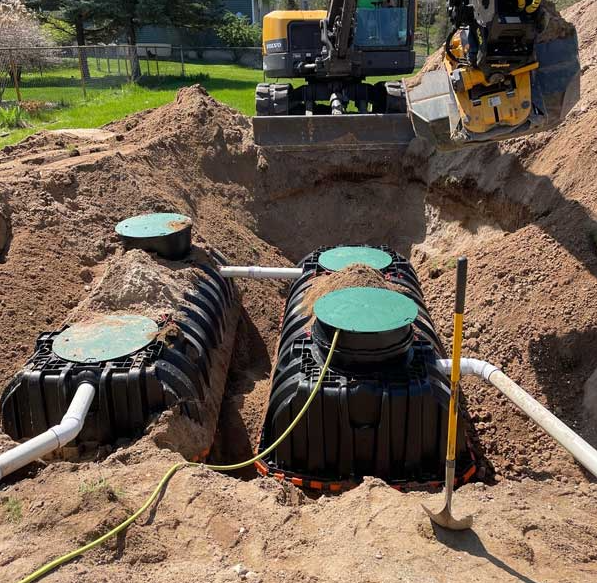
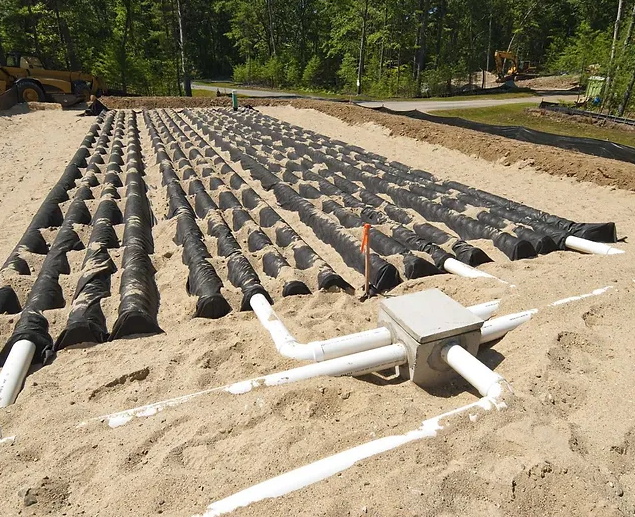
Over my 40 years of building experience I also acquired training and experience as a licensed water operator in a commercial environment. From biological to chemical composition, types of wells and septic systems, to routine maintenance and sampling. This was valuable education to understanding the importance of the water we use for domestic consumption and how delicate the surrounding environment is and to constantly be conscious of how to protect it.
Water Filtration: Enhancing the Quality of Your Home’s Water Supply
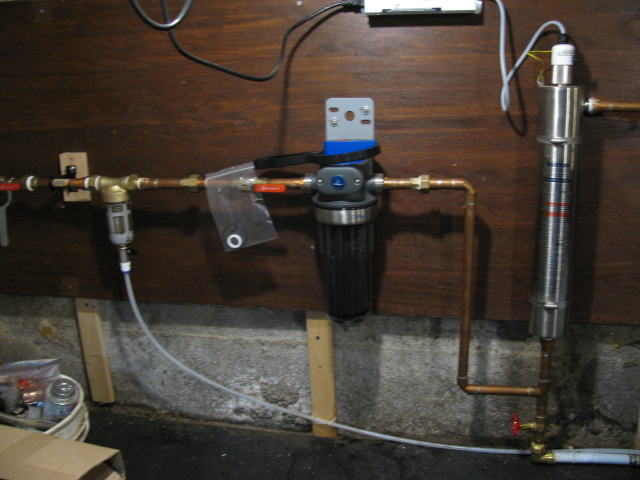
Clean and safe water is essential for our health and well-being. In a world where water quality can vary, implementing effective water filtration systems is crucial. In this essay, we will explore the different types of water filters, the importance of proper well location, and the various equipment used for water extraction and filtration. From setup to maintenance, understanding these aspects will empower homeowners to make informed decisions and ensure access to high-quality water.
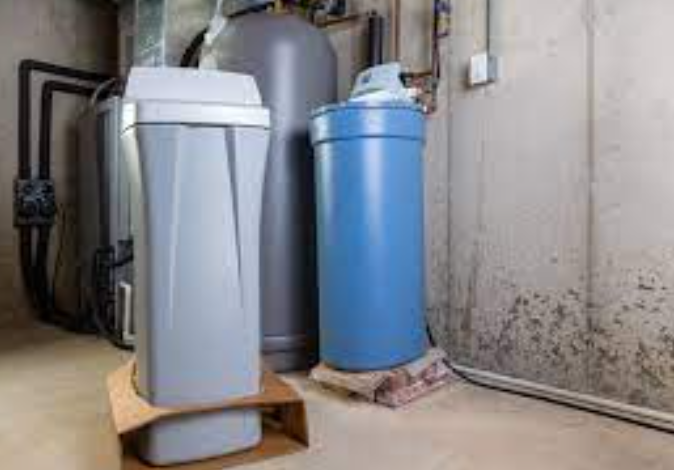
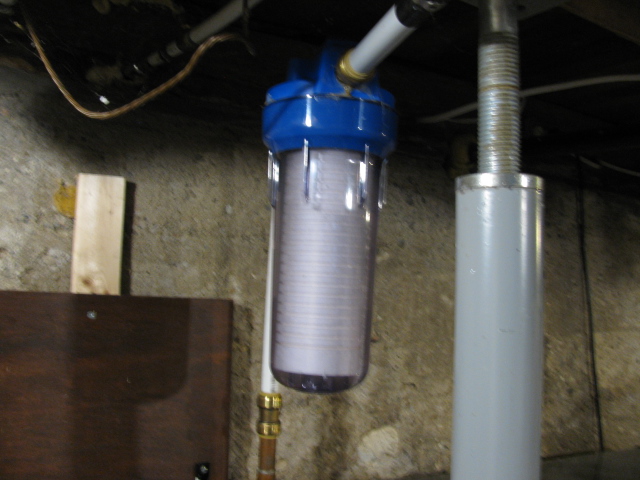
- Types of Water Filters: a. Carbon Filters: Carbon filters are commonly used for general water filtration purposes. They remove impurities and contaminants, including chlorine, volatile organic compounds (VOCs), and unpleasant odors or tastes. Activated carbon’s porous structure absorbs impurities, resulting in cleaner, better-tasting water.
b. UV Filters: UV filters utilize ultraviolet light to disinfect water by deactivating bacteria, viruses, and other microorganisms. This type of filter is effective in killing harmful pathogens without altering the taste, odor, or chemical composition of water.
c. Sediment Filters: Sediment filters are designed to remove larger particles such as sand, silt, iron particles, and debris from the water. These filters prevent sediment from entering the water supply and clogging downstream appliances or pipes.
- Well Types and Location: a. Dug Wells: Dug wells are shallow wells that rely on groundwater from the water table. They are typically constructed by excavating a hole in the ground and lining it with materials to prevent collapse. Dug wells are more susceptible to contamination from surface runoff and require proper filtration systems to ensure water quality.
b. Drilled Wells: Drilled wells are deeper and constructed by drilling into the ground to access water reservoirs below the water table. These wells provide a more reliable and protected water source, as they tap into deeper, naturally filtered water.
The location of a well on the property is crucial. It should be situated away from potential contamination sources such as septic systems, livestock areas, or chemical storage. Proper well placement minimizes the risk of contamination and ensures a cleaner water supply.
- Water Extraction Equipment: a. Jet Pumps: Jet pumps are commonly used in shallow wells. They are surface-mounted and work by creating suction to draw water from the well. Jet pumps are efficient for water depths up to 25 feet and require a separate pressure tank for water storage.
b. Submersible Pumps: Submersible pumps are installed inside the well and are suitable for deeper wells. They are submerged in water and push it to the surface using a series of impellers and motors. Submersible pumps are more efficient for deeper water extraction and eliminate the need for a separate pressure tank.
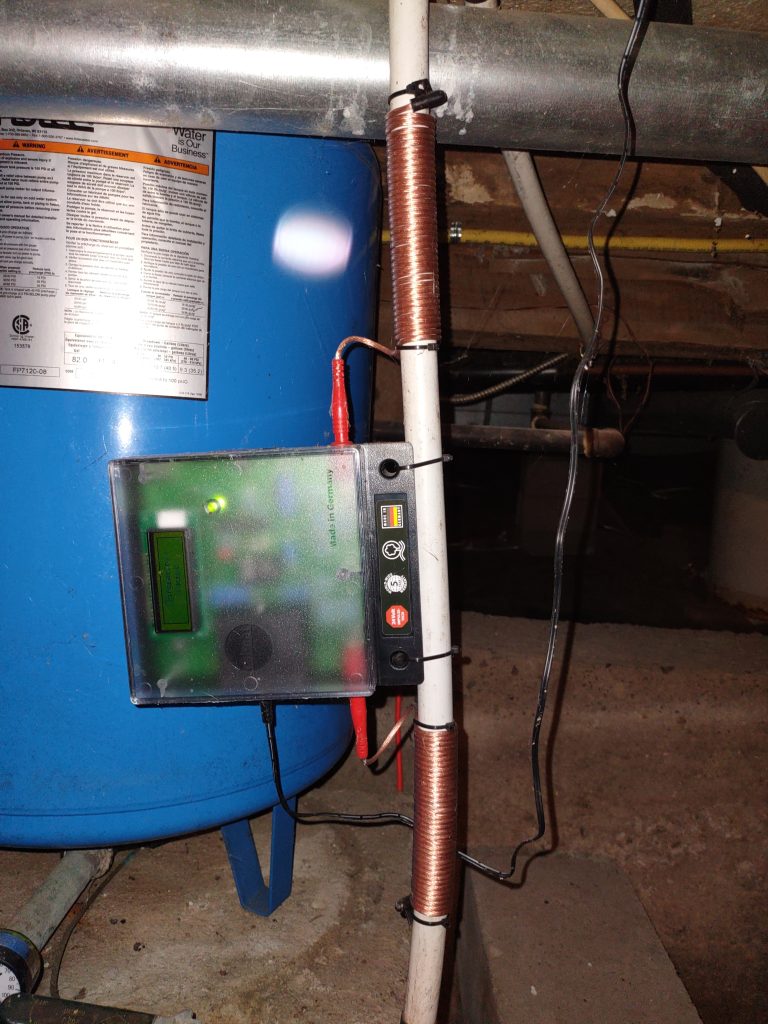
- Setup and Maintenance: Proper installation and regular maintenance of water filtration systems are essential for their optimal performance. It is advisable to consult a professional to ensure accurate installation and alignment of the filtration equipment. Routine maintenance includes regular filter replacement or cleaning, system checks, and monitoring water quality. Maintaining a maintenance schedule helps to prolong the lifespan of the filters and ensure the continued effectiveness of the water filtration system.
Water filtration plays a critical role in ensuring clean and safe water for your household. Understanding the different types of water filters, the importance of well location, and the equipment used for water extraction empowers homeowners to make informed decisions. Carbon filters, UV filters, and sediment filters are designed to address specific contaminants and enhance water quality. Proper well location minimizes the risk of contamination, while different water extraction equipment, such as jet pumps and submersible pumps, cater to varying well depths. Finally, regular maintenance and adherence to recommended schedules ensure the longevity and effectiveness of water filtration systems. By investing in proper water filtration, homeowners can feel comfortable and confident that the water they are consuming is clean and safe.